How the Original Actually Works
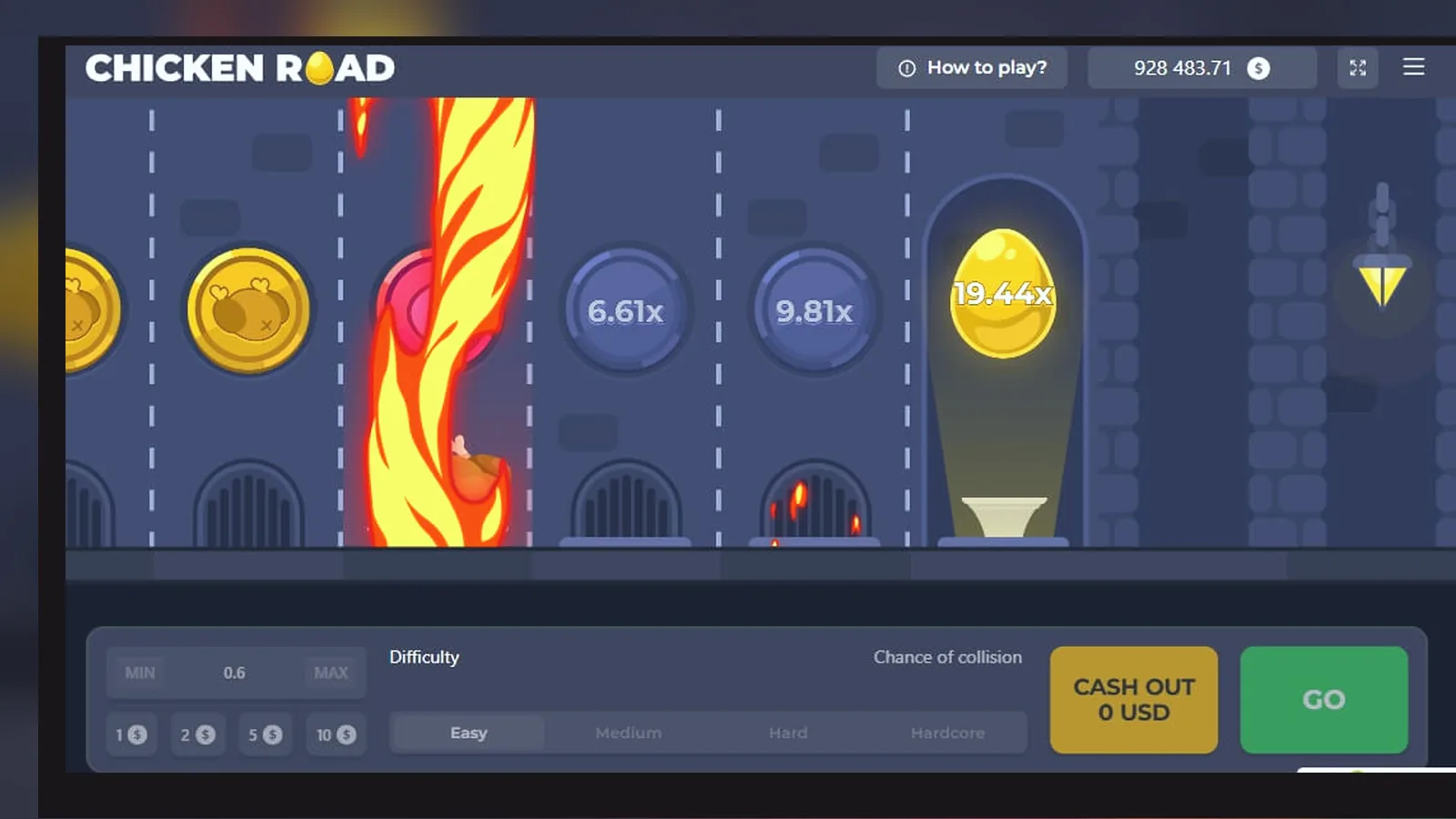
Chicken Road 2 is a crash-style grid game in which you pick a path through tiles, each step multiplies your stake, and you cash out before hitting a bomb. The original was built by a known provider, carries a certificate from an accredited testing lab, and runs on UKGC-licensed sites with your stake capped at £5 per round — or £2 if you're 18–24.
Clones exist: same grid, different maths. Below is the breakdown from the support desk — who made it, how a round actually works, what the tech sheet says, which copies circulate, and the ten-second check that you're on the original.
Who Made It and How It's Certified
The original Chicken Road 2 was developed by a crash-game specialist whose catalogue sits on dozens of UKGC-licensed operators. The game carries an iTech Labs certificate — iTech Labs is ISO/IEC 17025-accredited and tests RNG fairness, stated RTP, and adherence to the paytable.
Every operator serving British players must hold a UKGC remote operating licence; the licence number sits in the footer. Look the operator up in the UKGC public register and match the number. If the site has no licence or the register returns no match, it's illegal to market here and you have no regulatory protection.
How a Round Works from Your Seat
You set your stake — between £0.10 and £5.00, or £2.00 if you're aged 18–24 — pick a difficulty level, and press Start. The grid appears: five columns, five rows. Each tile hides either a win multiplier or a bomb. Your chicken stands at the bottom.
- Click any tile in the first row; if it's safe, the multiplier climbs and the chicken moves up.
- Click a tile in the next row; safe again, the multiplier grows.
- Repeat until you cash out or hit a bomb.
- Hit a bomb, the round ends and you lose the stake.
- Cash out, the game pays your stake times the final multiplier.
The multiplier curve depends on difficulty: Easy spreads fewer bombs and offers smaller top multipliers; Hard packs more bombs and steeper wins. Once you've chosen difficulty, the bomb positions are fixed by the RNG seed for that round — you're uncovering a predetermined map, not triggering new outcomes with each click.
What the Tech Sheet Actually Says
RTP moves with difficulty: Easy sits around 96%, Hard climbs toward 99% because fewer players reach the top rows. Volatility follows the same pattern — Easy delivers frequent small wins, Hard means long dry spells punctuated by large payouts if you survive. The 10,000× cap applies to all levels; beyond that, the win is capped and the excess is not paid.
The Mechanics One by One
Chicken Road 2 borrows crash-game logic — rising multiplier, player-timed exit — but replaces a single ascending line with a grid you navigate tile by tile. Four mechanics shape every round:
- Difficulty selection: chosen before the round starts, it sets bomb density and multiplier curve; you cannot change difficulty mid-round.
- Tile reveal: click a tile, it flips; safe tiles show a multiplier and advance the chicken, bombs end the round instantly.
- Multiplier ladder: each safe tile climbs the ladder; the curve is steepest in the final rows, where bomb density is also highest.
- Cash-out timing: press the button any time after the first safe tile; the game pays immediately and the round ends for you.
Auto cash-out is available: set a target multiplier and the game exits automatically when you reach it. Useful on Hard difficulty when one more click might hit a bomb. The RNG runs server-side; client refresh or disconnect does not alter bomb positions or outcomes.
Which Clones Exist and How They Differ
Three categories of clone circulate: visual reskins with the original maths intact, offshore copies with altered RTP, and outright fakes with no testing certificate. The reskins are harmless if they run on a UKGC-licensed site — same paytable, same RNG, different branding. The offshore copies often advertise higher max stakes and no caps, which signals they are not complying with UK law.
| Version | Provider | RTP | Max Stake | Certificate |
|---|---|---|---|---|
| Original | Known studio | 96–99% | £5.00 (£2.00 for 18–24) | iTech Labs |
| Licensed reskin | Various | 96–99% | £5.00 (£2.00 for 18–24) | Shared or separate |
| Offshore clone | Unknown | Unstated | No cap | None or fake |
| Fake app | None | No RNG | Irrelevant | None |
Fake Android APKs appear in search results when you type «Chicken Road 2 apk download»; they collect payment details or serve ads, not real gameplay. The original has no standalone Android or iOS app — it runs in mobile Safari, Chrome, and in-app browsers through the casino's web platform.
The Ten-Second Check You're on the Original
Open the game lobby, look for the provider name in the game tile or info screen — it should match the known studio that built the original. Click the ⓘ or paytable button inside the game window; the tech sheet will list RTP range, max win, and often the testing lab. Finally, scroll to the casino footer and confirm the UKGC licence number, then cross-check it in the UKGC register.
- Provider name visible in the game tile or loading screen.
- Paytable shows 96–99% RTP, 10,000× max win, and iTech Labs or equivalent certificate.
- Stake input respects the £5.00 cap (£2.00 for players aged 18–24) and will not accept higher amounts.
- Casino footer displays a UKGC licence number that appears in the public register.
- GAMSTOP logo or mention in the responsible-gambling section.
If any element is missing — no provider name, no certificate, no UKGC licence — you are either on a clone or an unlicensed site. Unlicensed operators cannot legally advertise to UK players, and you have no recourse if a dispute arises over a payout or your balance.
FAQ
Does the original Chicken Road 2 have a mobile app?
No. The original runs in mobile browsers — Safari, Chrome, and in-app browsers — through the casino's web platform. Standalone APKs and App Store listings claiming to be the original are fakes or reskins; the real game has no separate app download.
Why is my max stake £2.00 when the tech sheet says £5.00?
Players aged 18–24 face a £2.00 stake cap per round on all slots and slot-style games, including crash games, under UKGC rules introduced in stages from 2021. If you're 25 or older, the cap rises to £5.00. The platform enforces the cap automatically based on the age you provided during registration.
Can I change difficulty halfway through a round?
No. Difficulty — Easy, Medium, or Hard — is locked when you press Start. The bomb positions and multiplier curve for that round are fixed by the RNG seed at that moment. Changing difficulty mid-round would require a new seed and a new map, which would break provable fairness.
How long does the first withdrawal take?
Identity and age checks happen before your first deposit on most UKGC sites, but document verification often runs before the first withdrawal. Expect 24–48 hours for KYC review, then another 1–3 working days for the payment to reach your bank via Faster Payments or your debit card. E-wallets are quicker — a few hours to 24 hours — once KYC is complete.
Do winnings count toward affordability checks?
Affordability checks start from £150 net deposits a month — deposits minus withdrawals — using credit-reference data at the first stage. If you deposit £200 and withdraw £100, the net is £100 and you're under the threshold. Larger deposits or patterns that suggest financial stress trigger deeper checks, which may involve submitting payslips or bank statements.